Mastering Tire Setup for Long-Distance Adventure Cycling
February 5, 2026Backcountry routes and quiet rural roads attract riders who crave exploration. But those journeys demand practical knowledge, especially when it comes to tire pressure. Carrying the right bike pump and understanding how your setup behaves can be the difference between finishing strong and cutting a ride short.
Gravel bikes are designed for versatility, yet they still rely on precise inflation to perform at their best.
Understanding Pressure Without Overthinking It
You don’t need complex formulas to get started. Begin with manufacturer recommendations, then adjust based on rider weight and terrain. Softer dirt benefits from lower pressure, while smoother pavement prefers slightly firmer tires.
A dependable bike pump with a clear gauge makes this process straightforward. Over time, your hands and instincts will also learn what feels right.
Packing Smart for Remote Routes
When riding far from towns, preparation matters. A compact pump fits easily into a frame bag or hydration pack. Pair it with spare tubes or plugs, and you’re ready for most roadside fixes.
Riders who regularly explore on gravel bikes often keep a checklist: pump, levers, patch kit, and multitool. That simple system prevents forgotten essentials.
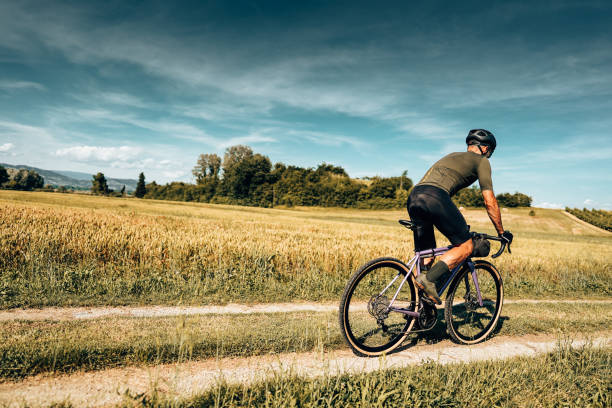
Dialing In Performance for Changing Conditions
Morning rides might start cool and finish warm, which affects air pressure. Checking mid-ride isn’t overkill—it’s smart riding. A quick top-up using your bike pump can restore handling after temperature shifts.
On washboard sections or loose climbs, lowering pressure slightly improves traction. Just remember to reinflate before long paved stretches.
Home Setup vs. On-the-Go Adjustments
Garage pumps are faster and more accurate for pre-ride preparation. Portable options trade speed for convenience. Many cyclists use both: a floor model for initial setup and a travel-sized bike pump for emergencies.
Consistency matters. Measure, note results, and refine. This process helps gravel bikes feel predictable across different routes.
Extending Tire Life Through Better Habits
Underinflated tires wear on the sidewalls. Overinflated ones lose grip and transmit more vibration. Either way, components suffer.
Make pressure checks part of bike cleaning days. While wiping down your frame, confirm air levels. It adds seconds but saves money over time.
Real-World Riding Tips
If you’re experimenting with new tires, start conservative. Ride a familiar loop, then adjust. Keep a small notebook or phone note with pressure numbers that worked well. Riders who do this quickly develop confidence on gravel bikes, even when surfaces change unexpectedly.
A quick refresher with your bike pump before each outing keeps those settings consistent.
Conclusion
Adventure cycling rewards preparation. By learning how pressure affects comfort and control, you unlock the full potential of your bike. Carrying a reliable bike pump, tracking what works, and making small adjustments along the way will keep your gravel bikes rolling smoothly—mile after mile—no matter where the road (or trail) leads.