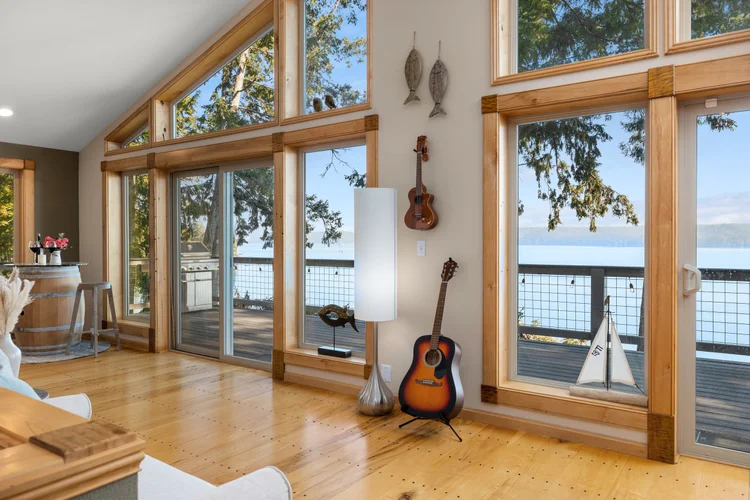
How Does Real Estate Photography Affect a Home’s Sale Price?
July 2, 2026Sellers almost always focus on the wrong number. They debate staging budgets, open house timing, and list price strategy. What they underinvest in, routinely, is the thing that gets their listing looked at in the first place.
Buyers do not walk into homes anymore. They scroll. A 2023 report from the National Association of Realtors found that 97 percent of buyers used the internet during their home search. The photos they see on Zillow, Redfin, and the local MLS are the first filter. Listings that clear that filter get showings. Listings that do not clear it get ignored, regardless of what the price is.
The role of real estate photography in that filter is direct. This is not theory. It is the mechanics of how buyers actually behave online.
What the Research Actually Shows
Click-Through Rates and Listing Visibility
A study from VHT Studios found that homes with professional photographs sold 32 percent faster than those without. A separate analysis by Redfin showed that listings with DSLR-quality photos sold for between $934 and $116,076 more than comparable listings, depending on price tier. Those are wide ranges. The point is not a single magic number. The point is that better photos narrow the gap between what a seller wants and what buyers are willing to pay, because buyers perceive well-photographed homes as better maintained and more move-in ready.
The First Photo Problem
On Zillow, the first photo is the listing thumbnail. Buyers see it before the price, before the address, sometimes before the bedroom count. If that first exterior shot is dark, tilted, or taken from a bad angle, the listing gets swiped past. And this is where it gets interesting: the same house with a strong lead photo gets dramatically more saves and shares. Saved listings are the ones buyers come back to. A home with 47 saves generates more showing traffic than one with 9 saves, even at the same price.
Why Professional Photography Is Not Just About Aesthetics
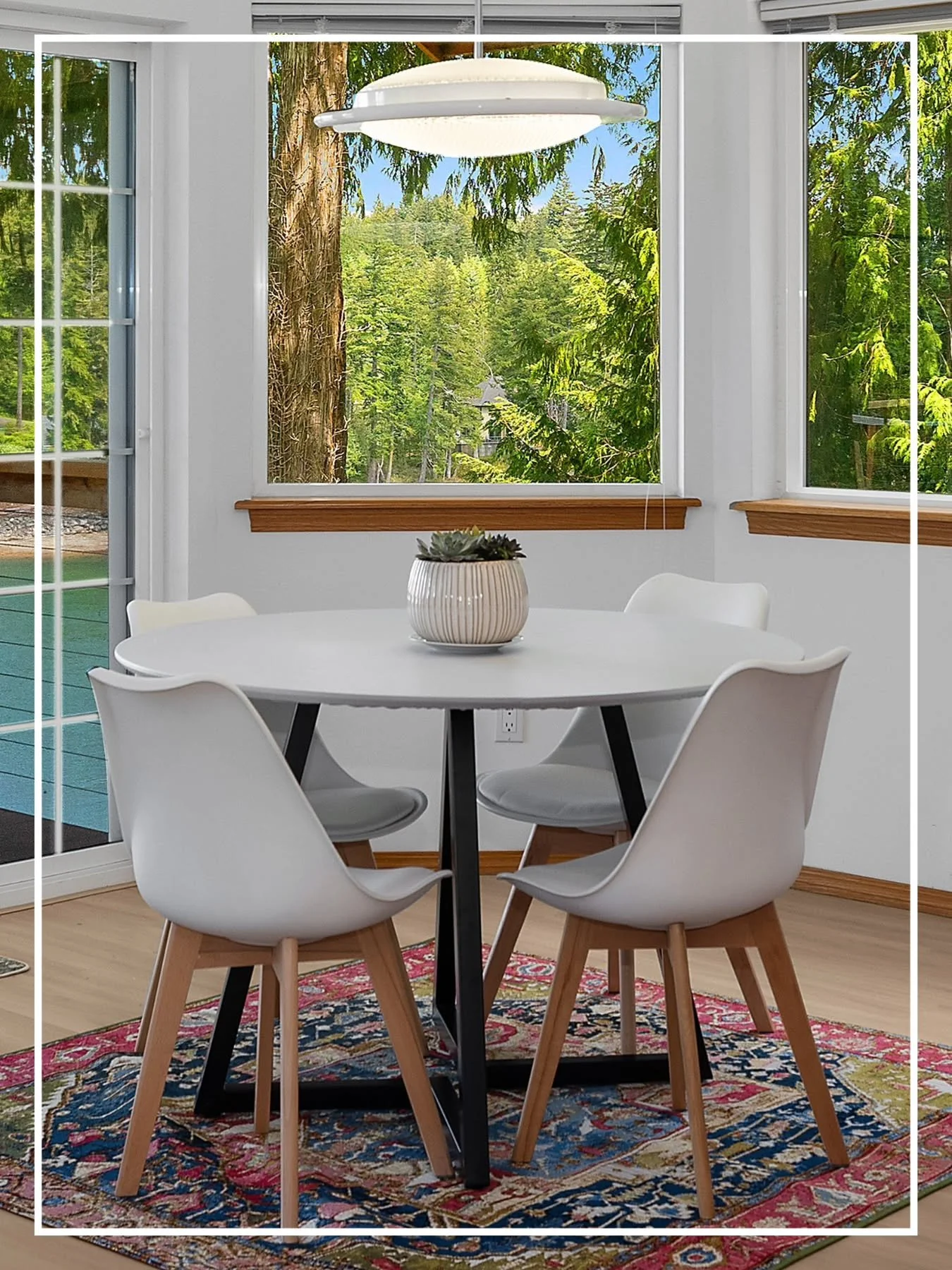
This is a point most sellers miss entirely. Professional photography is not about making a house look like something it is not. It is about showing the home accurately under ideal conditions.
Phone cameras struggle with interior dynamic range. A modern smartphone captures what the sensor sees in that moment, which is usually a dark room with blown-out windows. A photographer using a wide-angle lens, a tripod, and HDR exposure blending captures what a person standing in that room actually perceives. The room looks bigger. The light looks natural. The finishes read correctly.
That accuracy converts into trust. Buyers who see professional listing photos and then walk into a home that matches those photos feel the listing was honest. Buyers who see blurry photos and walk into a nicer-than-expected home may still feel their time was wasted getting there.
When Professional Photography Has Less Impact
Honesty here: professional photography cannot fix a bad property condition, an overpriced listing, or a neighborhood with low demand. If the market has shifted and buyer activity is slow across the board, photos will not manufacture urgency. What professional photography does is remove photography as a reason buyers skip a listing. It closes that particular gap.
It also matters less in extremely hot seller markets where inventory is so tight that buyers are making offers without viewings. Those conditions exist periodically in Thurston County. But they do not last, and agents who rely on bad conditions to avoid investing in photos build a reputation that follows them into slower markets.
The Agent Brand Argument
Real estate photography is not just a seller expense. It is an agent brand investment. Every listing an agent photographs professionally is a signal to future sellers that this agent takes marketing seriously. Sellers interview multiple agents. The one who shows up with a portfolio of sharp, consistent listing photos wins more presentations. That is not a soft benefit. That is a direct pipeline to more listings, which compounds over a career.
Frequently Asked Questions
What is real estate photography?
Real estate photography is a professional photography service specifically focused on capturing properties for sale or rent. It uses specialized lenses, lighting techniques, and post-processing to produce images optimized for MLS listings and online platforms where buyers search for homes.
How does real estate photography work?
A photographer visits the property and captures a set of interior and exterior images using wide-angle lenses and HDR techniques. Images are then edited for color accuracy, brightness, and perspective correction before delivery, typically within 24 to 48 hours.
What is the difference between real estate photography and architectural photography?
Real estate photography is optimized for speed, volume, and MLS delivery. Architectural photography is a slower, more artistic process used for publications, design portfolios, and commercial purposes. Real estate photography prioritizes buyer appeal and turnaround time. Architectural photography prioritizes design documentation and artistic composition.
Who needs real estate photography?
Any seller, agent, or property manager who wants to market a space online benefit from professional photography. This includes residential home sellers, builders showing completed projects, Airbnb hosts, and commercial property managers.
How do I choose a real estate photography provider?
Review their portfolio for lighting consistency, color accuracy, and composition quality. Confirm turnaround time. Ask whether pricing is flat-rate or per-image. Flat-rate pricing is almost always better for sellers and agents budgeting across multiple listings.