
The Timeless Charm of Natural Playthings for Kids
April 4, 2026Why Wooden toys Are Making a Beautiful Comeback
In a world overflowing with flashing screens and plastic gadgets, many parents are rediscovering the simple magic of Wooden toys. These classic playthings bring a sense of nostalgia while offering modern benefits that go far beyond entertainment. Crafted with care and often made from sustainable materials, they introduce children to a more meaningful and sensory rich way to play.
Unlike mass-produced plastic toys, wooden options often feel warm, sturdy, and inviting little hands. They encourage imagination instead of dictating it. A simple wooden block can become a castle, a car, or even a spaceship depending on a child’s creativity. This open-ended play is essential for cognitive development and problem-solving skills.
Parents also appreciate the durability factor. Wooden toys tend to last for years, sometimes even becoming heirlooms passed down through generations. Their timeless design ensures they never go out of style, making them a thoughtful investment in a child’s early years.
The Developmental Benefits of Wooden toys in Early Learning
When it comes to early childhood development, the materials children interact with matter more than we often realize. Wooden toys play a significant role in enhancing sensory experiences. The natural texture, weight, and even the subtle scent of wood stimulates multiple senses, helping children better understand the world around them.
How Wooden toys Support Creativity and Growth
Children thrive when given the freedom to explore, and that’s exactly what wooden toys provide. Without excessive lights, sounds, or instructions, kids are encouraged to think independently and create their own narratives.
Here are a few keyways these toys support development:
- They promote imaginative play, allowing children to build stories and scenarios without limitations
Additionally, wooden toys often require more Handson interaction. Whether stacking blocks, solving puzzles, or pulling a toy along the floor, children develop fine motor skills and hand eye coordination. This kind of physical engagement is crucial during the early years of growth.
Another advantage is their calming effect. Without overwhelming stimulation, children can focus better and engage in longer periods of play. This helps build attention span and patience skills that are increasingly valuable in today’s fast-packed environment.
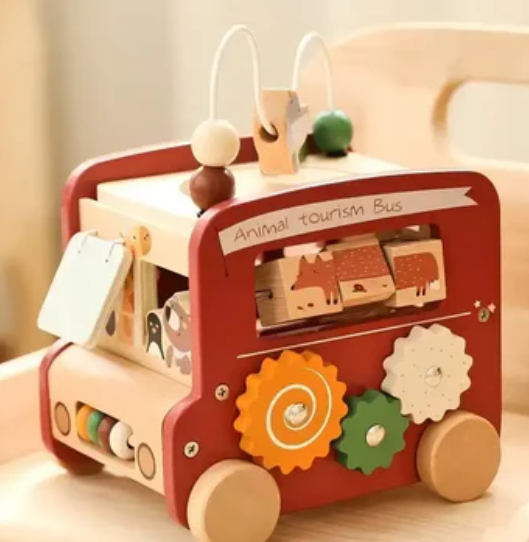
Wooden toys
Sustainability and Safety: A Parent’s Peace of Mind
One of the biggest reasons families are turning toward wooden toys is their ecofriendly nature. Many are made from responsibly sourced wood and finished with nontoxic paints or oils, making them safer for children and kinder to the planet.
Parents no longer must worry about harmful chemicals or easily breakable parts. Wooden toys are generally free from the risks associated with cheap plastic alternatives. Their solid construction also means fewer broken pieces, reducing both waste and potential hazards.
Beyond safety, choosing wooden toys is a small but meaningful step toward sustainability. By opting for durable, biodegradable materials, families contribute to reducing environmental impact while teaching children the importance of mindful consumption.
Conclusion: A Simple Choice with Lasting Impact
In the end, the appeal of wooden toys lies in their simplicity and purpose. They don’t just entertain they educate, inspire, and endure. By choosing toys that encourage creativity, support development, and respect the environment, parents can create a more enriching play experience for their children.