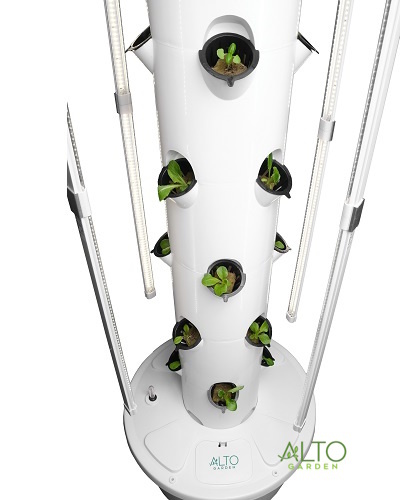
Starting Your Tower Garden: Step-by-Step Setup and Growing Guide
April 3, 2026The structured hydroponic approach enables people to grow their own fresh produce at home through an easy and highly effective method. This guide establishes a detailed process which needs to be followed to achieve successful system setup and maintenance from the first day of operation. The complete understanding of all tower garden components is essential for building a dependable growing system.
Unboxing and Assembling Your System
The system package comes with all necessary components which enable immediate operation upon delivery. The system typically includes the following components: tower structure, reservoir, pump, LED grow lights, timer, and net pots. The first step requires you to unbox all equipment and display its components. The assembly process enables users to complete their work without using tools because it only takes 20 minutes. The tower system uses its locking mechanism to create a secure vertical structure which stands upright.
The pump needs to be installed inside the reservoir while all connections must be verified as secure. The tower garden requires proper assembly for its components because this process makes the water flow smoothly throughout the system while stopping future operational difficulties.
The Water and Nutrient Solution Preparation Process
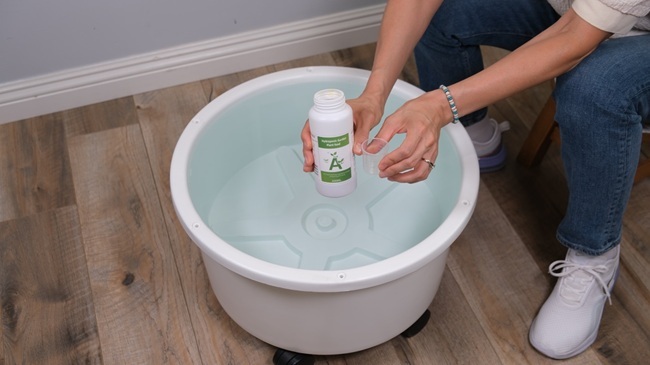
The reservoir which serves as the system’s core component delivers essential water and nutrient supplies directly to the plant roots. The reservoir requires clean water which does not contain any softening agents to begin its filling process. After filling the reservoir, the next step requires you to:
The recommended nutrient solution needs to be added which consists of two parts (Part A and Part B). The solution requires thorough mixing until all components become uniformly distributed. The testing process requires you to examine the pH level which needs adjustment. The pH range must maintain its position between 5.5 and 6.5 because this range enables plants to absorb nutrients. High or low pH levels will hinder plant growth by causing both growth retardation and unhealthy conditions.
Water level management holds equal significance as water level maintenance. The reservoir needs to maintain a water level of one-third to enable the pump to function properly during operation.
Setting Up the Timer and Watering Cycle
Your system uses a timer to regulate both lighting and water flow. Proper configuration is critical for healthy plant development.
For lighting:
- Set the timer to approximately 14 hours ON and 10 hours OFF
- This mimics natural daylight cycles and supports optimal growth
For watering:
- The pump operates in intervals rather than continuously
- This allows roots to receive both nutrients and oxygen
Correct timer setup ensures your tower garden delivers consistent results without requiring constant manual adjustments.
Transplanting Seedlings into the System
Once your seedlings are ready, you can transfer them into the growing tower.
Seedlings should meet the following criteria before transplanting:
- At least four healthy leaves
- Visible roots extending from the starter cube
- Approximately 1–2 inches tall
To transplant:
- Remove weaker seedlings, leaving only the strongest one per cube
- Place the seedling into a net pot
- Insert the pot into the designated slots in the tower
Handle seedlings gently during this process to avoid damaging delicate roots. Once placed, the system will begin delivering nutrients automatically.
Monitoring and Maintaining the System
Ongoing maintenance is simple but crucial for long-term success.
Water and Nutrient Management
Check water levels regularly and refill as needed. When adding fresh water:
- Mix in nutrients according to instructions
- Avoid adding nutrients to old water without dilution
pH Monitoring
Test pH levels weekly and keep them within the 5.5–6.5 range. Small adjustments can make a significant difference in plant health.
System Checks
- Ensure the pump is always submerged
- Look for any signs of clogging or reduced water flow
- Keep the reservoir clean to prevent buildup
Consistent monitoring keeps your tower garden operating efficiently and prevents common issues.
Harvesting Your Plants the Right Way
Harvesting is one of the most rewarding parts of the process. With the right method, you can extend the productivity of your plants.
Best Harvesting Techniques
Cut-and-come-again method
- Trim outer leaves first
- Allows the plant to continue producing new growth
Partial harvesting
- Remove sections of the plant
- Supports moderate regrowth
Full harvest
- Remove the entire plant
- Replace with a new seedling for continuous cycles
The first method is typically the most effective for maximizing yield over time.
What Makes This System Effective
The system achieves its effectiveness through particular components which make up its functioning design. The combination of proper setup, balanced nutrients, controlled lighting, and regular monitoring creates an ideal environment for plant growth.
Your plants will experience quicker growth rates and produce cleaner results while you achieve better control over your growing process through this method. The vertical design enables you to cultivate additional plants within restricted areas which makes it suitable for both indoor use and small spaces.
Final Thoughts
The process of establishing your tower garden becomes easy through the implementation of an organized sequence which includes specific steps to follow. The success of the system starts from its assembly to nutrient preparation and ends with transplanting seedlings and maintaining required environmental conditions. The system will produce fresh and healthy produce throughout the year when you follow these instructions for creation. Your tower garden will need very little work after it gets established while it delivers maximum benefits to your home through its modern design.