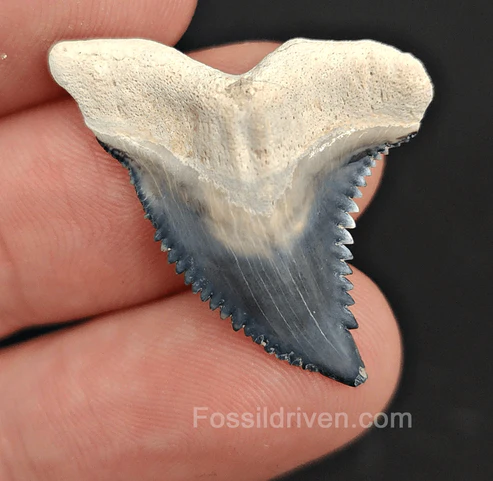
Discover Fossil Snaggletooth Wonders: Miocene Hemipristis Shark Teeth
December 8, 2025An array of your work will not be made more valuable than with our specially selected fossil teeth of the Hemipristis shark – Snaggletooth shark teeth? These singular fossils are the bridges that connect us to the colossal marine ecosystems that lived alongside the Megalodon top predators in the Miocene and Pliocene epochs. Every item of this assortment is an ancient sea, one of the hunters, and a martyred evolutionary marvel of the past.
Why collectors are captivated by Hemipristis
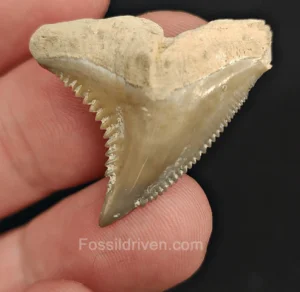
The extinct species hemipristis serra is easily identified by its intricately serrated and hooked dental structures. The teeth were undoubtedly used to clamp and tear the prey. Collectors pay for them due to their extreme, hooked style; the serrations, which are sometimes still there even after millions of years; and the way that from a single tooth one can see its wear, which is a sign of the food habits and behavior of the animal. In addition to that, the teeth are frequently excavated from phosphate-rich deposits and marine sedimentary strata, and thus, they can be preserved well and look nice.
Ways to distinguish authentic Snaggletooth pieces
For one thing, the genuine snaggletooth shark teeth crowns are most of the time recurved with a clear hook, and quite fine serrations are there on the cutting edge. The roots of the different specimens vary in shape; nevertheless, the worth of a sample gets higher if the roots are in good condition, thus it can tell more of the story. The teeth might be colored from light tan and brown to very dark charcoal, and this is determined both by mineralization and local geology. Be careful with the repaired or assembled pieces; a trustworthy seller will disclose any repairs and provide provenance if available. Proper cleaning and gentle conservation will keep the tooth’s character intact without the risk of damage.
What the formation of Hemipristis teeth can reveal
Those fossilized teeth of the extinct hemipristis serra were actually produced in the same way as those of the living sharks, although the fossils symbolize only the “frozen” moments of the cycles. The teeth lost during the life of the animal over the span of several million years became covered with sediment, where eventually minerals took over the organic parts, thus preserving the structure of the tooth. The serrations and the arc show that the animal was eating flesh from the skeletal structure of the prey, and if there are hard-shelled animals, it indicates that Hemipristis was going to occupy a niche in the marine food chain between small animal-eaters from the coast and huge predators of the open sea.
Locating that childhood tooth is a real paleoecological gateway for both collectors and enthusiasts. The breaking and wear patterns depict interactions with prey such as fish and rays, whereas the coeval species in a single deposit reveal community composition, water temperature, and sea-level changes during the Miocene and Pliocene. Even a single tooth may entail questions about ancient climate, migration patterns, and changing coasts.
Display and care tips for your fossil teeth
In case you want to flaunt the radical style of a Hemipristis tooth, you may either place it on a simple stand or in a shadow box with a dull-colored background. Do not apply glue to fix hard dental enamel; museum wax or museum-grade mounting is more suitable. Specimens must be kept away from the sun and should not be kept in very humid places so that they do not crack or lose their color. Usually, cleaning is done by a soft brush and distilled water; however, if there are mineral deposits, then a fossil preparator should be sought instead of using abrasive tools. Attaching a label with details about the find spot and geological age to each tooth can work wonders not only as a collector piece but also as a scientific one.
Conclusion
Incorporating a hemipristis serra tooth in your collection is both aesthetically and intellectually beneficial. The famous snaggletooth shark fossils are linked to the past shorelines and the lively network of life, which existed in the seas along with the likes of Megalodon. A Handpicked Hemipristis specimen can be a perfect visual addition to your collection and an instant doorway to your deeper paleontological curiosity, whether you’re a veteran collector or just starting out. Moreover, every single tooth is an appropriate gift for nature lovers, students, or anyone who is curious about Earth’s deep past — a small, durable reminder that the world’s history is written in rock and is waiting for our admiration, study, and sharing through time.